Natalya Saprunova, France
Mongolia: Mongolia’s children at risk: The devastating impact of air pollution
Mongolia ranks among the world’s 20 largest countries, but is also the most sparsely populated, with an average of just two inhabitants per square kilometer—compared with roughly 240 in Germany. Once famous for its “eternal blue sky,” nowadays Mongolia has a severe environmental problem: air pollution. More specifically: coal. It is the fuel for about 70 percent of the nation’s energy. The most affected are those living Mongolia’s capital Ulaanbaatar, home to almost half the country’s 3.5 million people.
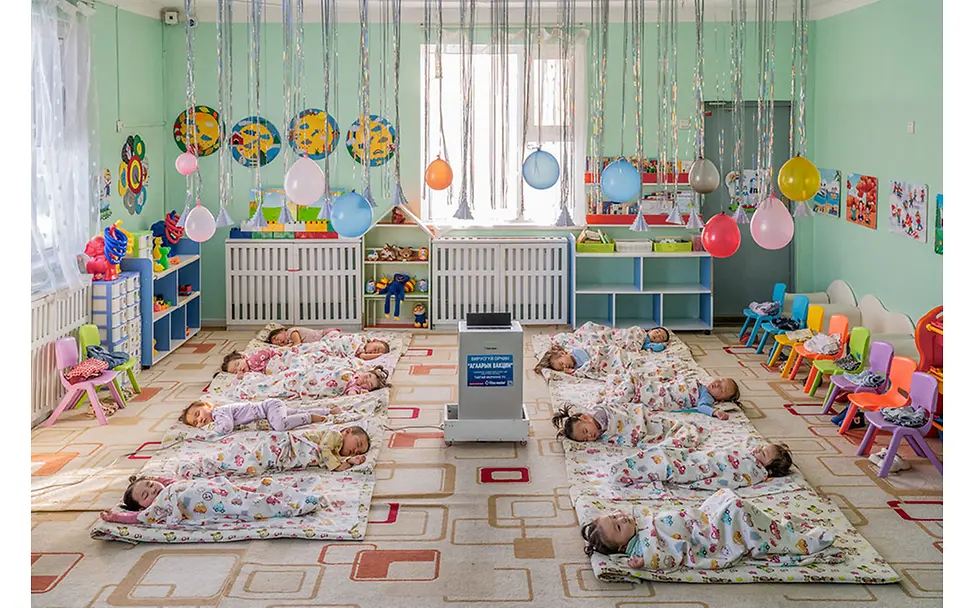 Bild 1 von 12 © Natalya Saprunova
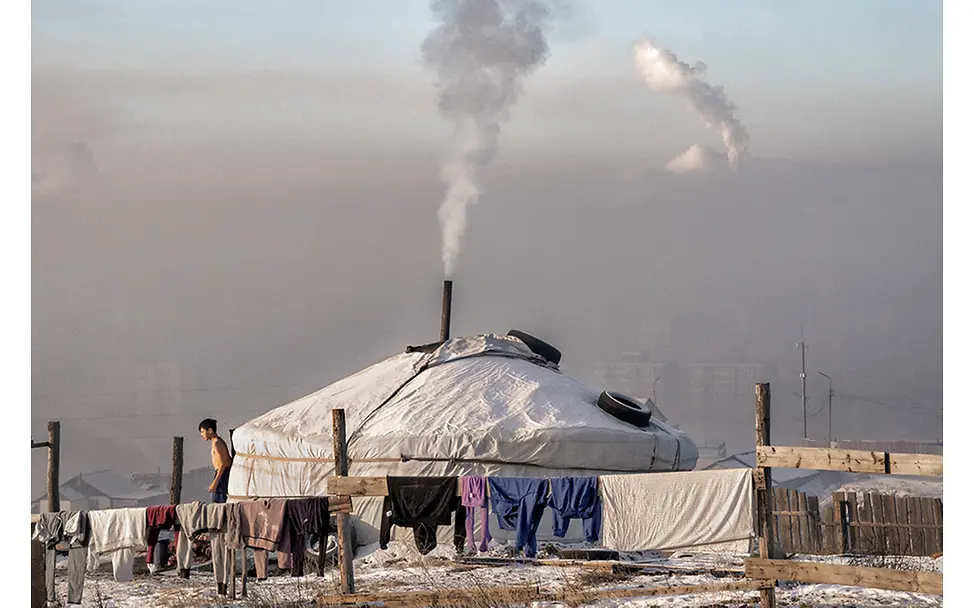 Bild 2 von 12 © Natalya Saprunova
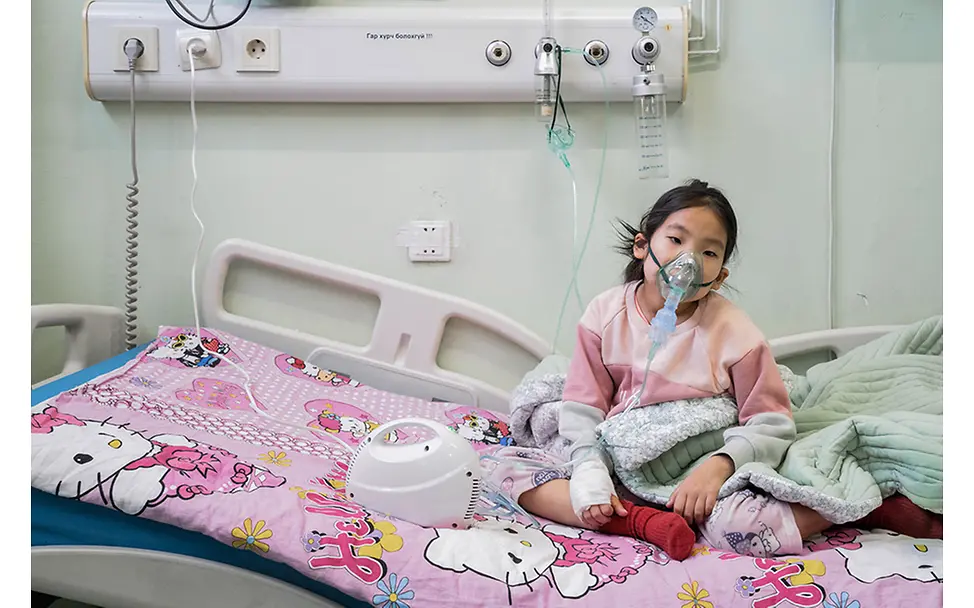 Bild 3 von 12 © Natalya Saprunova
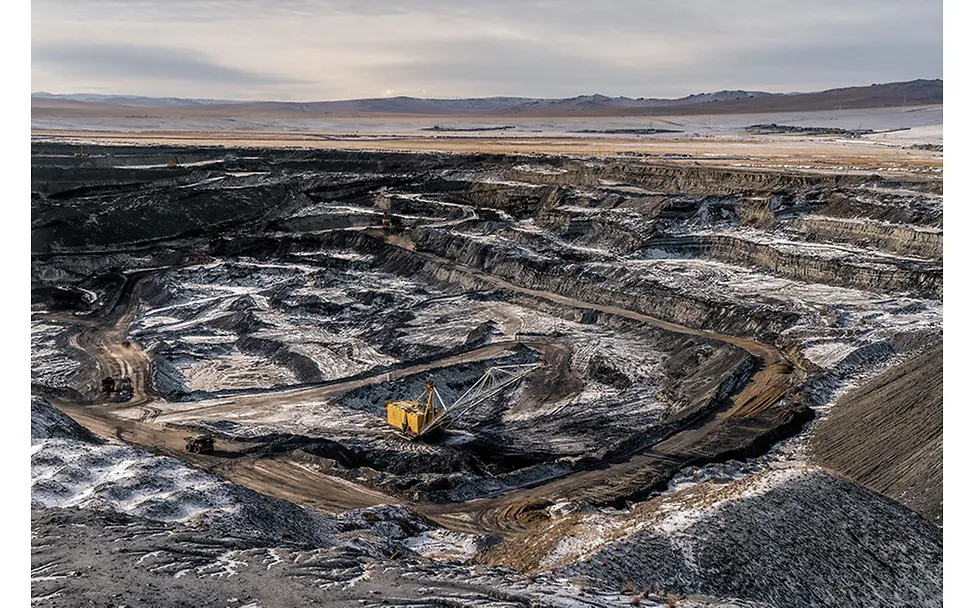 Bild 4 von 12 © Natalya Saprunova
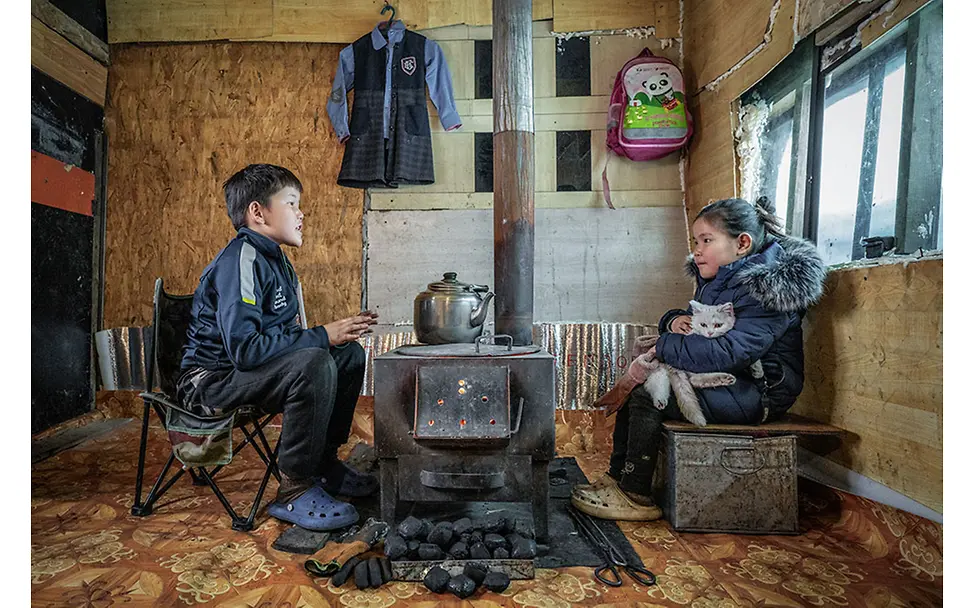 Bild 5 von 12 © Natalya Saprunova
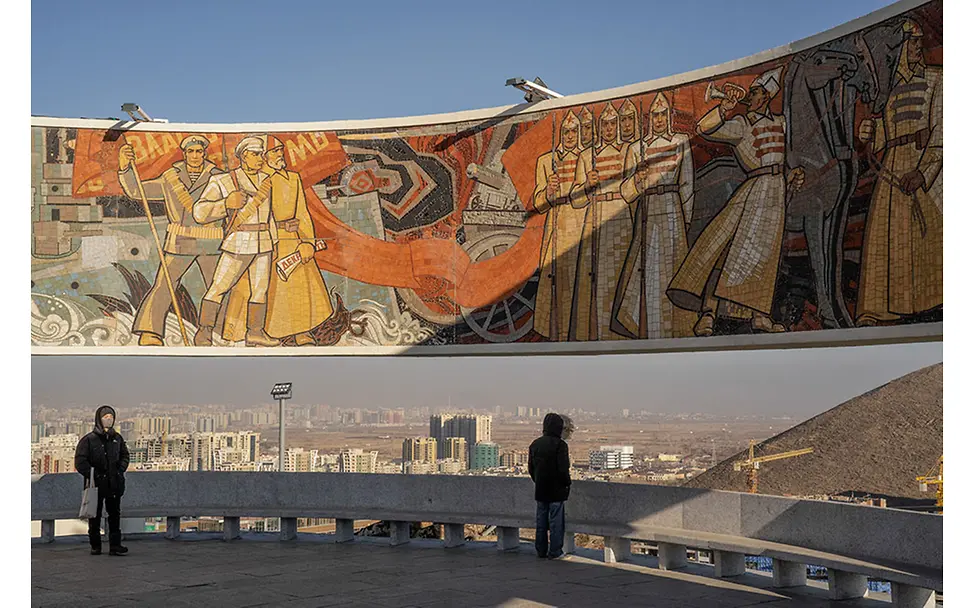 Bild 6 von 12 © Natalya Saprunova
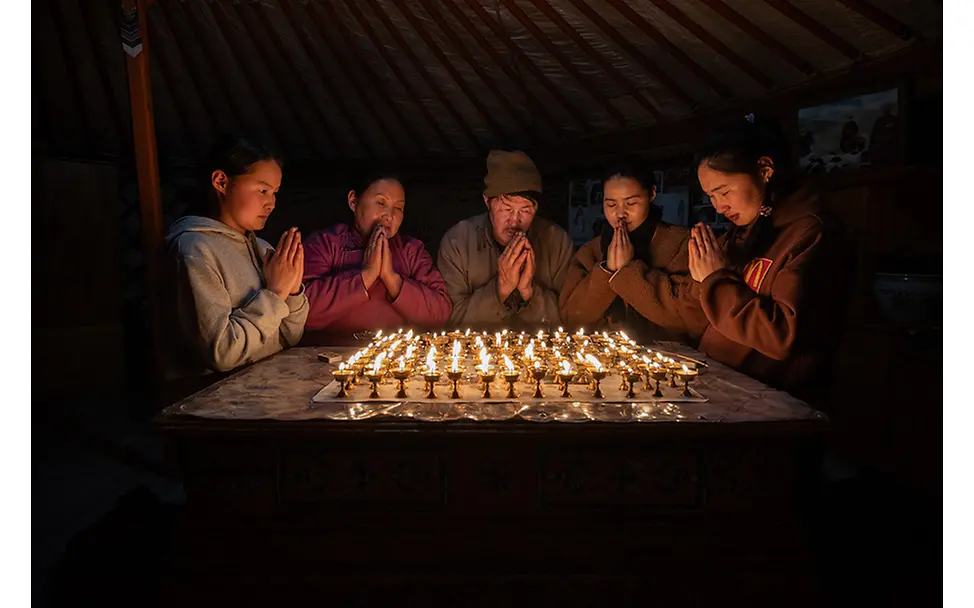 Bild 7 von 12 © Natalya Saprunova
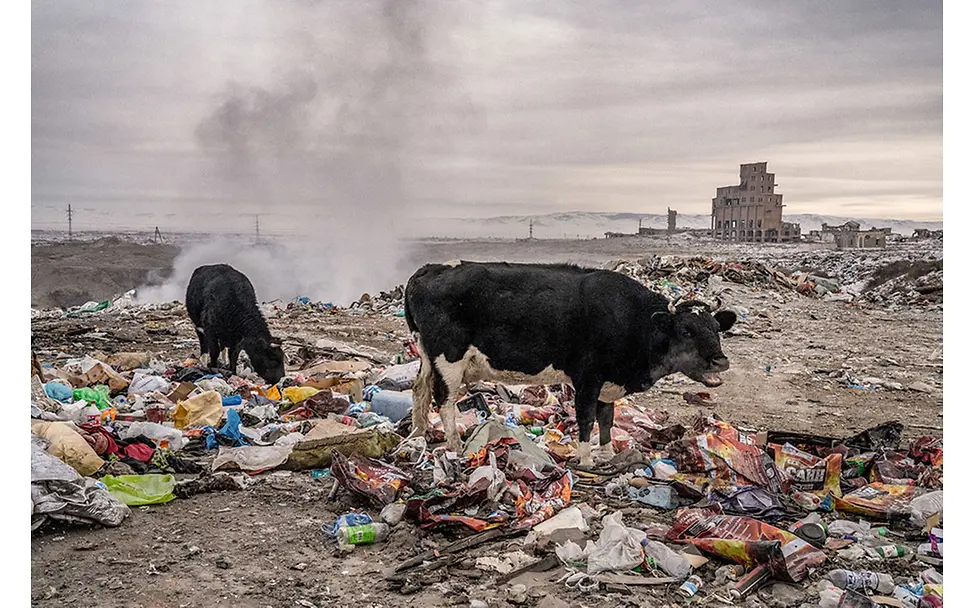 Bild 8 von 12 © Natalya Saprunova
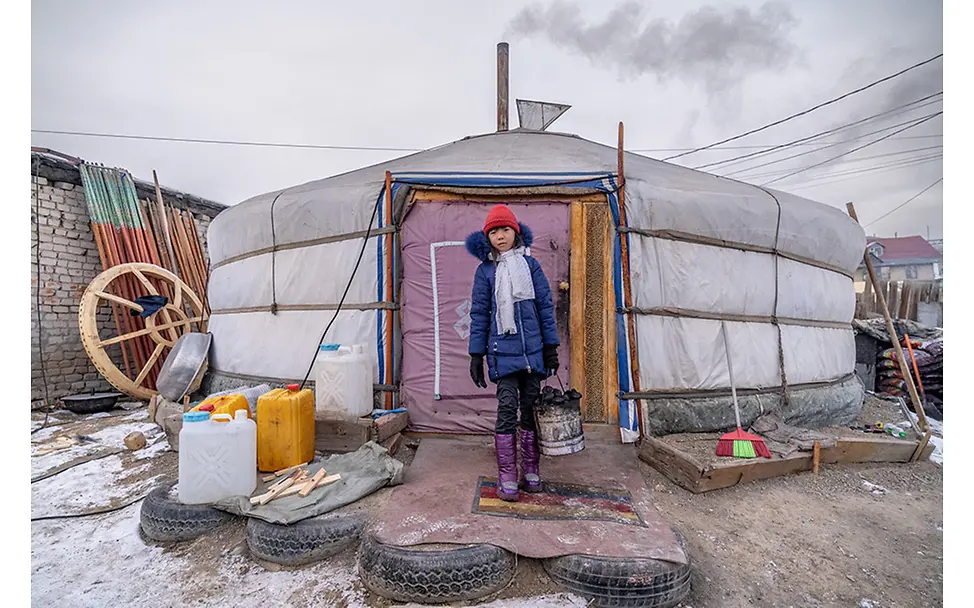 Bild 9 von 12 © Natalya Saprunova
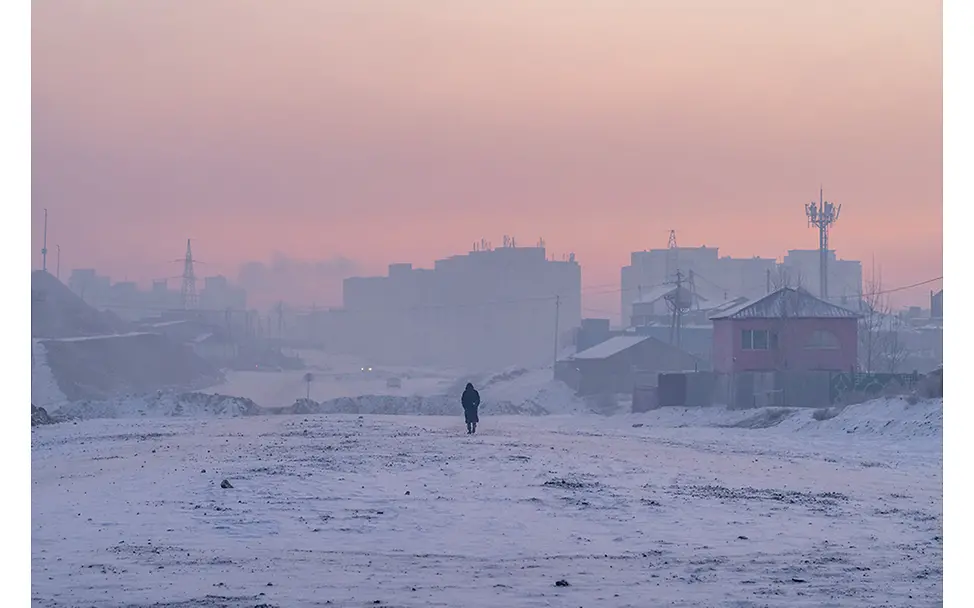 Bild 10 von 12 © Natalya Saprunova
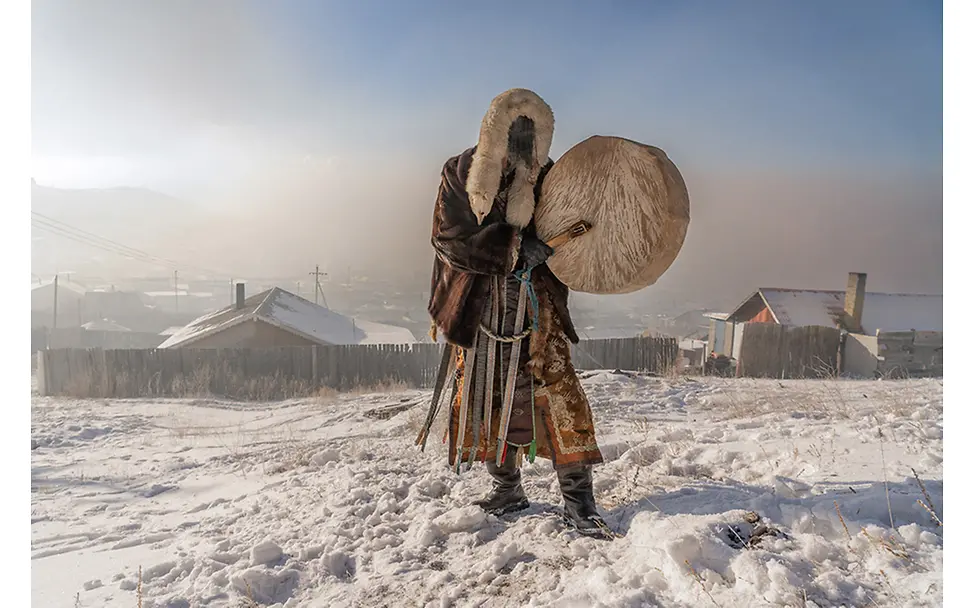 Bild 11 von 12 © Natalya Saprunova
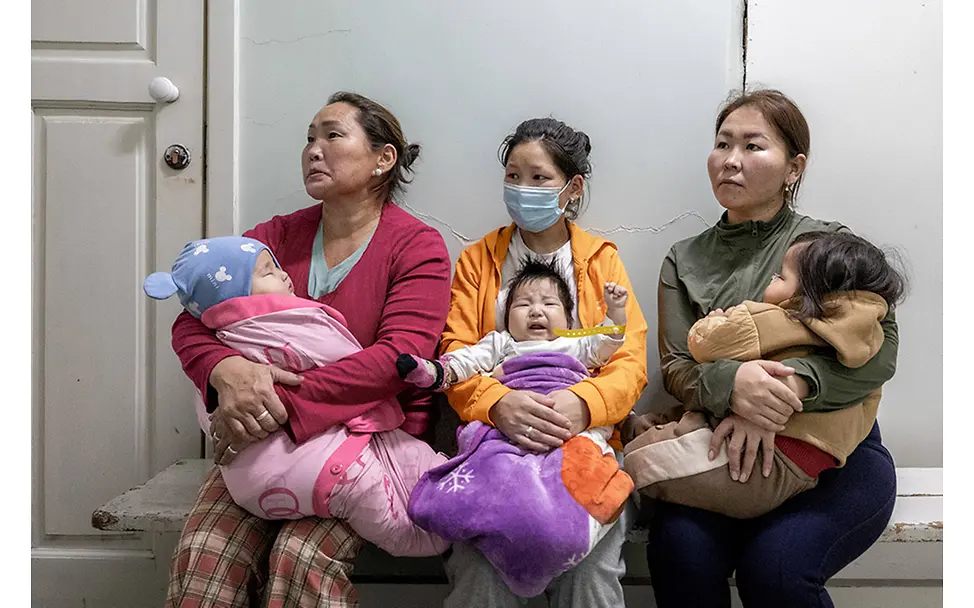 Bild 12 von 12 © Natalya Saprunova
Particulate pollution from burning coal causes exceptionally high rates of lung and heart illnesses and is estimated to contribute to about ten percent of all deaths. In her images, Russian-born photographer Natalya Saprunova—now a French national—captured the extent to which children suffer from the pollution. Even kindergartens have begun installing air purifiers to reduce pollution levels. Four-year-old girls are hospitalized with respiratory illnesses, young children undergo lung X-rays, and dozens die from carbon monoxide poisoning, while brown clouds rise from hundreds of thousands of chimneys into the icy winter air that can drop to minus 30 degrees Celsius.
Photographer: Natalya Saprunova, France
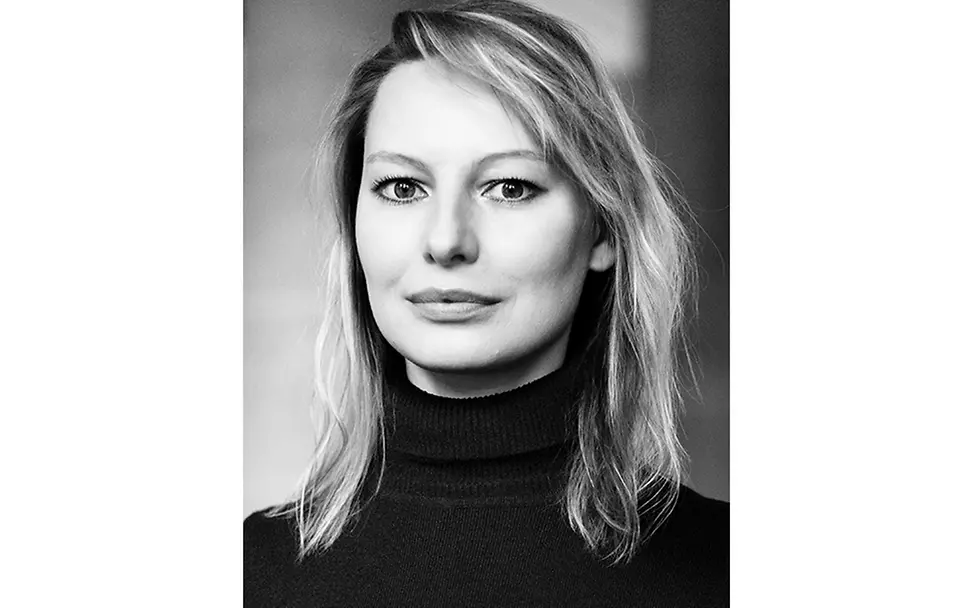
Natalya Saprunova, born in 1986, grew up in Murmansk, Russia, and initially worked as a French teacher before dedicating herself to photography. She moved to France in 2008 and spent several years working in marketing before making a full transition to photography in 2016. After obtaining French citizenship, she graduated in Documentary Photojournalism from the EMI-CFD School in Paris in 2020 and now also teaches photography. She has received widespread recognition for her work, much of which was created in Siberia, including the Canon Female Photojournalist Grant. In 2023, she won third prize in UNICEF’s Photo of the Year for a photo series on the lives of the Evenki in Yakutia.